
Classical formulas assign roles to each ingredient: monarch, minister, assistant and envoy. Learn why two granule bottles with similar names can differ, and what to ask about your own.
A Chinese herbal formula can look like a shopping list of roots, barks and seeds. In traditional practice it is closer to a composition. Classical prescribing describes roles within a formula as jun, chen, zuo and shi, usually translated as monarch, minister, assistant and envoy.
This structure belongs to traditional theory rather than pharmacology, but it shows why a formula is considered as a whole.

Dr Christine Shen, Acupuncturist, dispenses formulas as concentrated granules in bottles. Two granule products can share a classical name or look almost identical yet differ in composition and directions, because practitioners often adapt famous formulas by adding or removing ingredients. A similar-looking bottle is therefore no substitute for the one prescribed, and an ingredient list found online is no basis for mixing products at home.
Avoid copying another person's prescription, and avoid reading a traditional explanation as proof that a formula suits everyone with the symptoms listed in a book.
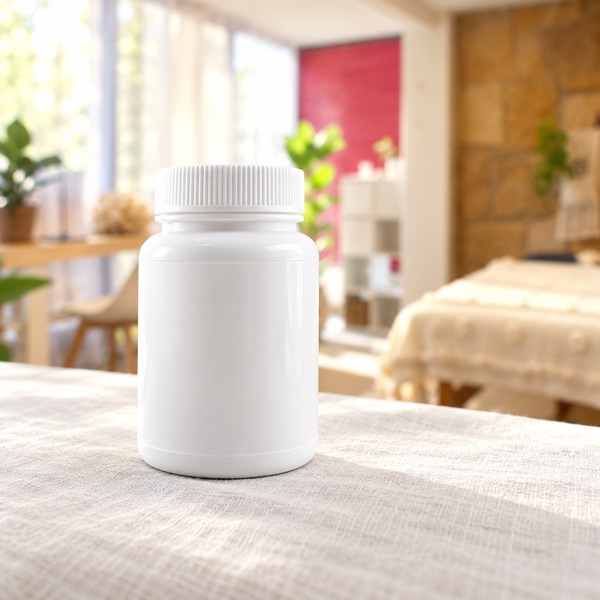
Keep the label and written directions with the original bottle, mention any new medicines to Christine and to your pharmacist, and ask before changing the dose. If a symptom puzzles you, a quick question is always preferable to guesswork.
At the Freshwater clinic, a formula's roles can be sketched out on paper, which often turns a mysterious list of names into something you can follow.
Copyright© 2002-2026 visuallink© SaaS - Web Hosted Solutions, Design and Maintenance by Visual Link IT Pty Ltd - Software Solutions

Please Login or Sign up to be able to comment