
Thread embedding borrows the acupuncture point map, but it leaves absorbable material in the body. That difference changes consent, aftercare and your questions.
Read More: Thread embedding (mai xian) versus acupuncture explained →
Darker marks mean toxins, more pain means more value, one routine suits all: three gua sha myths, and what traditional theory actually says.
Read More: Gua sha myths, traditional theory and what the marks mean →
Chinese medicine calls a stiff morning neck luo zhen, or fallen from the pillow. Before any gua sha, a few warning signs need ruling out.
Read More: Luo zhen: gua sha for a stiff neck starts with assessment →
A deeper cupping mark is not proof of a stronger result. Suction, timing and skin type shape the colour, and your own goal matters more.
Read More: Cupping marks explained: colour is not a score →
Moxa comes from aged mugwort leaves. Learn how traditional theory describes its warmth, and why comfort and breathing sensitivity come first.
Read More: Moxibustion and warmth: mugwort, theory and comfort →
You do not need a tidy life story to begin therapy. These few terms explain what a first psychotherapy conversation usually covers.
Read More: Your first psychotherapy session: key terms explained →
A fading bowl tone can be an easy way into a quiet pause. Here is how sound fits Chinese cultural history, and why relaxation is reason enough.
Read More: Singing bowls, slow tones and the Chinese idea of five notes →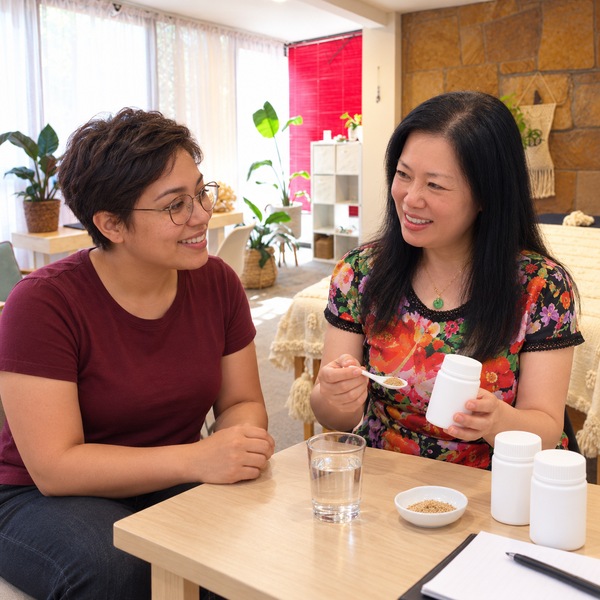
An ancient materia medica graded every substance by safety. That caution still applies to bottled herbal granules: bring your medicine list, keep the label and ask before changing anything.
Read More: Chinese herbs and safety: why the classics graded every substance →
Heaviness, tingling or almost nothing: a look at the classical idea of de qi and why describing what you feel matters more than enduring it.
Read More: De qi explained: what acupuncture sensations can feel like →
Chinese medicine begins with the four examinations, but a safe first acupuncture visit also covers sterile needles, consent and the medicines you take.
Read More: First acupuncture visit: safety and the four examinations →Copyright© 2002-2026 visuallink© SaaS - Web Hosted Solutions, Design and Maintenance by Visual Link IT Pty Ltd - Software Solutions
